
Acids, Bases, and Salts
- Circa 1987

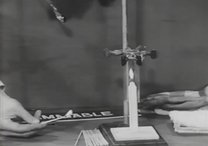
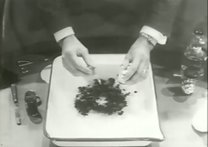
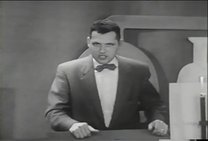
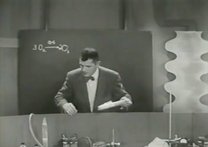
“Acids, Bases, and Salts” is one of fifty-three short educational films originally produced in 1955 for KQED San Francisco as part of the series Tempest in a Test Tube. This series of half-hour episodes illustrates basic chemistry concepts for high school students through live experiments and demonstrations by presenter Dr. Harry Sello. The experiments used in the show were designed by the American Chemical Society’s California chapter and reflect the safety standards of the time. A later, 1987 introduction with Dr. Sello has been removed from this version due to sound and image issues, but identical introductions are available in other Tempest in a Test Tube videos in this collection. This episode, “Acids, Bases, and Salts,” teaches viewers how acids, bases, and salts differ, and shows how these substances react and appear in common materials.
| Property | Value |
|---|---|
| Creator of work | |
| Place of creation | |
| Format | |
| Genre | |
| Medium | |
| Extent |
|
| Language | |
| Subject | |
| Rights | In Copyright - Rights-holder(s) Unlocatable or Unidentifiable |
| Credit line |
|
Institutional location
| Department | |
|---|---|
| Collection |
Related Items
Cite as
American Chemical Society, and KQED-TV (Television station : San Francisco, Calif.). “Acids, Bases, and Salts.” Vhs, circa 1987. Tempest in a Test Tube Videocassette Collection. Science History Institute. Philadelphia. https://digital.sciencehistory.org/works/mly5iz2.
This citation is automatically generated and may contain errors.