
Research interview with Damali Rhett
- 2017-Jul-13
Research interview with Damali Rhett
- 2017-Jul-13

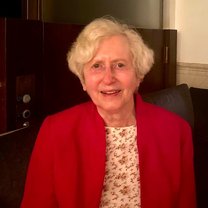
Damali Rhett was born in October 1977, in Cleveland, Ohio. Her name derives from a Nigerian praise poem and means “beautiful vision.” As an infant, Damali moved to Washington, D.C. During high school Damali was accepted into Phillips Andover Academy’s Math and Science for Minority Students summer program. Damali attended Dartmouth College, where she majored in social psychology and minored in theater. After college Damali worked in public relations and finance in New York City. Damali returned to Dartmouth and in 2006 earned her MBA from the Tuck School of Business. Then, based in Washington, D.C., she worked for several years as a consultant on energy and utilities. Damali now helps Philadelphians increase their renewable energy use for a sustainable future. In November 2016 she became executive director of the Energy Co-op, a nonprofit and member-owned retail energy cooperative that serves thousands of homes and businesses in Pennsylvania and Delaware.
| Property | Value |
|---|---|
| Interviewee | |
| Interviewer | |
| Sponsor | |
| Place of interview | |
| Format | |
| Genre | |
| Extent |
|
| Language | |
| Subject | |
| Rights | In Copyright |
| Rights holder |
|
| Credit line |
|
About the Interviewer
Roger Eardley-Pryor earned his PhD in 2014 from the University of California, Santa Barbara (UCSB). At UCSB, he became a National Science Foundation graduate fellow in the Center for Nanotechnology in Society. Prior to that, Roger earned his B.Phil. in Interdisciplinary Studies from Miami University in Ohio. As a historian of science, technology, and the environment, Roger taught courses at Portland State University, at Linfield College in Oregon, and at Washington State University in Vancouver, Washington. From 2015-2018, Roger held a postdoctoral Research Fellowship in the Center for Oral History at the Science History Institute. His work explored ways that twentieth and twenty-first-century scientists and engineers, culture-makers, and political actors have imagined, confronted, or cohered with nature at various scales, from the atomic to the planetary. Roger also co-designed, earned funding for, and managed the place-based oral history project titled “Imagining Philadelphia’s Energy Futures.” In 2018, Roger joined the Oral History Center in the Bancroft Library at the University of California, Berkeley.
Institutional location
| Department | |
|---|---|
| Collection | |
| Oral history number | 0140RI |
Related Items


Interviewee biographical information
| Born |
|
|---|---|
| Died |
|
Cite as
See our FAQ page to learn how to cite an oral history.
EARDLEY-PRYOR: All right, this is Roger Eardley-Pryor. I am at the Energy Co-op for an oral history with Damali Rhett. Today is July 13, 2017. Damali, could you tell me how you spell your name?
RHETT: So Damali is spelled D-A-M-A-L-I. And the history of my name is my father actually had the name before he even met my mother. He found the name in a Yoruba praise poem, and—
EARDLEY-PRYOR: In a—what was that?
RHETT: Yoruba. So Yoruba is considered a people, like one of the Nigerian peoples. You’re kind of Yoruba, or there’s kind of all those various kinds of groups. And the name means beautiful vision. And so he knew he wanted a daughter, and he knew that that was going to be her name.
Here is a fun fact of Philly history. There was a writer—she actually has since passed away, but she was based here—named L.A. Banks. And she wrote a book about a vampire huntress, and the vampire huntress’s name was Damali. And this was years and years ago. I actually emailed her, and she said I was the first Damali to reach out to her. And she was actually based in Philly, interestingly enough. So I actually need to go back and read those series because the series was based here, as their home base—
EARDLEY-PRYOR: In Philly, she was hunting the vampires?
RHETT: She started off here, and there’s lots of travelling the world. And she wound up writing thirteen books. And so it was very interesting in that particular series how she wrote the books, and what happened, and how she worked through them. And so—
EARDLEY-PRYOR: Oh, I love it. When were you born?
RHETT: I was born in ’77.
EARDLEY-PRYOR: Okay. Where were you born?
RHETT: I was born October, 1977 in Cleveland.
EARDLEY-PRYOR: Oh, right on. Did you spend most of your childhood in Cleveland?
RHETT: I did not. My mom just graduated from college, and so my dad was already—I actually grew up in [Washington ] DC—and my dad was actually already in DC. So kind of after the period of where they knew I was going to be fine, when I was six weeks old, I moved to DC. And so I grew up in Washington.
EARDLEY-PRYOR: Awesome. Can you tell me a little bit about your parents? What are their names?
RHETT: So my mom is Ina Doggett, and she was born in Cleveland, is from Cleveland, but lives in DC now. She has lived in DC for the last forty years. My dad is Walter Rhett, Junior. And he was actually born in Virginia, [. . .] but mostly grew up in South Carolina. And so all of our family on his side is about twenty-five miles outside of Charleston in a town called Summerville.
EARDLEY-PRYOR: Okay. Do you have siblings as well?
RHETT: I do not. I’m the only one.
EARDLEY-PRYOR: How did your mom and dad meet then?
RHETT: My dad was her TA [teaching assistant] in college. And so they met—my dad went to Ohio State, and my mom, being from Cleveland—she didn’t go. She actually went to Ohio University. So what’s interesting is my dad and his brother both went to Ohio State. My mom went to Ohio University. And so I’m very much this Ohio State, you know, Ohio girl—like an Ohio State person versus Michigan. I always got to go with my Buckeyes.
EARDLEY-PRYOR: I grew up in Ohio, so you’re speaking to the choir here.
RHETT: Yeah. It’s interesting, too, because my mom has several cousins that went to Ohio State. But they [my parents] met when my mom was in college. My dad was getting a master’s, and was doing some work at Ohio University. So they met there.
EARDLEY-PRYOR: Awesome. What was it that your dad was teaching and getting his MA in?
RHETT: His MA is in Urban Studies. And so his—I may get this wrong now—I believe his undergraduate’s in Black history? He actually is—now he kind of just writes for himself. But he’s a specialist in Southern History, particularly around both Southern economics and kind of thinking through—like Charleston, at one-time Charleston perlo rice was worth its weight in gold, literally. And so kind of thinking through some of that. Now he writes. He actually was named one of—the New York Times did a feature on nineteen commenters that comment on the New York Times. He was one of those commenters out of, I think thirty thousand active commenters. So he has this whole following and this whole piece.
My mother actually went to school for journalism, and she worked kind of as a journalist behind the scenes for a little bit when I was younger. So they were divorced when I was five, and they were both in DC. So I was going back and forth between the two houses 00:05:00 a lot, in kind of a nontraditional arrangement. But I grew up, you know, kind of working with—if you’re familiar with the news radio station in DC, the big one is T.O.P., which still exists. My mom was working as a reporter for T.O.P. So I used to go to the news room and desk when I was like a little kid, and would sleep under the desk and thought it was like the best thing ever. And so my mom wound up transitioning into public relations. She’s actually the Co-op’s public relations person now.
EARDLEY-PRYOR: The co-op here in Philly, the Energy Co-op?
RHETT: The [Philadelphia Energy] Co-op here. Yeah, because I’ve got to go with the best! Just knowing her work and knowing what she’s been able to do. She’s moved into public relations. She did that recently. Probably about six or seven years ago, she decided to go on her own, but prior to that held a number of Director of Communication roles and VP roles working for both various organizations as well as traditional public relations firms.
EARDLEY-PRYOR: I love hearing the story of them coming together, too—and in Ohio, of all places. So you mentioned your dad did his undergrad in Black Studies, but by the late seventies he’s getting his masters. So he must have been in one of the earliest generations of people taking those Black Studies courses.
RHETT: He was, actually. He was still very much—it’s interesting in that, you know, you can imagine, in the [nineteen] seventies, going to Ohio State. He was actually the first—in Summerville, he was the first Black graduate of his high school. And at Ohio State, I mean, you still had, I don’t know the exact numbers, but there’s very, very, very few. You know how big that campus is—
EARDLEY-PRYOR: Huge, fifty thousand or more?
RHETT: — and so if you think about the very small number of Black students on that campus in the seventies with everything going on. So doing that, having that the ability to do that, he definitely was one of the first.
EARDLEY-PRYOR: That’s awesome. What was growing up in Reagan Era 1980s [Washington] DC like?
RHETT: Well, I tell people, it was interesting. I was watching a video on DC’s food culture, because we have a particular—and it’s true, and somebody said there really are two Washington’s, right? There’s the Washington that happens when you live there, and then there’s the political Washington. And to the extent that you choose to be in one or the other is really up to you. Like, my parents are, obviously, fairly active in the community. And doing things when I was six—you know, working on Marion Barry’s campaign, you know, stuffing envelopes. And so I was always kind of in both. But I think not having an understanding of Reagan and kind of what he was doing, I didn’t have to be involved in that.
So it wasn’t really until I actually did a congressional internship when I was in college, and I worked for Ron Dellums who—he retired, actually. He announced his retirement when I was doing the internship, and so this was in ’97. He was a Black congressman from the Bay Area, been in congress twenty-seven years-ish, twenty-two or twenty-seven years? But this was doing the whole, like, when Newt Gingrich was really like running the House, and was really a big deal. And it was really interesting walking through various congressional offices or houses and seeing people, and like literally just running into like Newt in the hallway, right? Because that’s what would happen. And in particular, also, because Congressman Dellums had already been in office for so long, so he’s very senior, he had been on a number of committees and that kind of whole process. So it was really interesting kind of understanding the inner workings and seeing that, and seeing how, you know, people come in on their breaks, and getting that insider’s view. And so that was really probably my first really insider’s view inside the political Washington, versus being in this whole—you know, and I grew up inside the city limits. So I went to DC public schools in my life, grew up inside DC, and seeing the difference between the two.
But even then, I think I really understood, I fully understood, the difference in traveling to different schools—the difference in my schools versus other schools, even back then. Because I went to one of the few schools in DC that had academic programs. And now, actually, one of the things I love is that they really made a much more concerted effort, between the high school level, for high schools to really push and develop various programs, and bringing in outsiders, and making them the same 00:10:00 level of academic rigor across the schools. And so you have a school that, when I grew up, was notorious. Where they, just last year, 100 percent of their senior class got college acceptance letters. And so the difference in between when I grew up and seeing that is huge.
EARDLEY-PRYOR: Well, what was the name of the elementary schools that you went to in DC?
RHETT: So I went to Hurst, which was a very small, two-floor elementary school. One- hundred fifty kids between K through six.
EARDLEY-PRYOR: Oh, that’s intimate.
RHETT: It was very intimate. And it was actually, interestingly enough, on the campus behind Sidwell Friends. And so if you’re familiar, Sidwell Friends is where Chelsea Clinton went, where the Obama girls went. So it’s kind of like the default—it’s a Quaker school. So Sidwell Friends. It’s a Quaker school, but definitely very, you know, “shi-shi,” and lots of fancy folks there.
Interesting enough, I didn’t really have much interaction with Sidwell kids because the way that their entrance is, their main entrance is on the other side of their campus, versus our side. But very small school—
EARDLEY-PRYOR: Is that something you remember noticing as a kid?
RHETT: Not really. I noticed it more as an adult because then I started driving past it during my commute, and I was like, “Oh, this is probably why. Because this is actually the front entrance, and not that.” And my school though, I realized—I realized two things kind of later. But one is, because that area of DC has a lot of embassies, we had a ton of embassy kids, right? Our international days would be like—I still have—you know, off the chain.
EARDLEY-PRYOR: Yeah, tell me about it. What are some of your memories?
RHETT: We just had so many people—like instead of just parents trying to put together a class, you would have people basically coming from the embassy with full food and costume and drinks. And so the level of people in my class was very, very mixed, both from a diversity standpoint, from a socioeconomic standpoint, and then from an international standpoint.
EARDLEY-PRYOR: How lucky.
RHETT: And so growing up, now I realized—my best friend was from Brazil and Portuguese—and I realize now, her family was actually poor. It’s interesting because the house that she lived in now probably would go for like a million dollars, because it’s been re- gentrified. But back then, that was not a good area of the city. And I didn’t realize. You know, you’re a kid. You don’t care about that.
But so I grew up with just varying people from all over, and knowing people from all over, and seeing people from all over, and just having these multitude of experiences. And then, because we were so small, we had a parent who was—and he wasn’t even in my class, his kid wasn’t in my class. His kid was like three classes ahead of us. But his dad was an archeologist. And so every year, we did a dig out back, right? Like who, you know, who does that?
EARDLEY-PRYOR: Wow! What an awesome—through your school?
RHETT: Through my school, yeah. Or we—a couple of times we went up to the various places in the city and did a little dig with the shovels and the dust things, to dust things off. And we never really found anything. [laughter]
But also, we had one parent who was—he actually had a couple kids in the school. He was an architect, and we built a model. We drew plans and did it to scale. I built a model ski chalet in sixth grade.
EARDLEY-PRYOR: Wow, I didn’t even know what a ski chalet was.
RHETT: We learned. We had pictures. We had options. And I was like, “I like this. It’s slanted.” You know the traditional slanted? I was like, “I want to build this.”
And so thinking about those experiences and how the exposure—and I tell people now, one of my big things is just exposure to things. So where I’ve done a lot of volunteering and talking and speaking to things, it’s more really just to tell people that you have options, that this worldview is not the only worldview.
EARDLEY-PRYOR: Yeah, there’s more to the world out there. Yeah.
RHETT: There’s way more to the world out there. And so I wound up, kind of moving forward—
EARDLEY-PRYOR: Well, take me back to having these kinds of experiences in elementary school, and having these parents that are involved in this really cool work, and involved in the community there. What was your vision for what you were going to go out and into the world and do, as a child?
RHETT: Well, I had none. As a kid, I had no idea what I wanted to be, and I think I just—
EARDLEY-PRYOR: None? It wasn’t like I want to grow up and be or do…?
RHETT: No, I always—I think the thing that was probably consistent is I 00:15:00 always loved books. It’s funny, I was talking to another woman, and we were like, “We shouldn’t have been reading those books at twelve.”
EARDLEY-PRYOR: Like what? Like what?
RHETT: Like a young kid should never read The Bluest Eye by Toni Morrison. Or we were reading Greek Mythology at twelve.
EARDLEY-PRYOR: Do you remember the impact that—especially The Bluest Eye. Or don’t you…?
RHETT: It didn’t have—I didn’t look at them with an adult. And I think that’s one of the things, is you see pictures and people talk about this. As a kid, I never internalized that because I didn’t understand. You don’t always fully understand the depth of what you’re reading. And so for you, you’re just losing yourself in various worlds. I mean, I would just read the encyclopedia back when they had the kid encyclopedias, and just be having a good time with that. And so—
EARDLEY-PRYOR: Pre-Internet travelling the world, right?
RHETT: Pre-Internet, pre-what-have-you. I think from my standpoint, it just didn’t—I’m still a reader, so I think it just makes you just start liking reading.
And so kind of moving forward, I think one of the things—two things kind of set me on the path I am today. So I was accepted into Andover, which is, I don’t know if you’re familiar with the Phillips Academy Andover? They actually have a summer program called Math and Science for Minority Students. And they fly in, for three summers—they go around the country, and they do interviews and things like that, and they bring in a group. I don’t know how many of us there were. I want to say there were probably about thirty or forty of us from all around the country. We would go to Andover for six weeks in the summer, and we would take math and science classes in Andover, and we were kind of part of the Andover group. So I wound up doing that. It’s funny, I met a woman who I went to college with—actually just saw her last weekend—and I was like, “This was twenty-five years ago we met this summer!”
EARDLEY-PRYOR: So what kind of stuff happened at Andover?
RHETT: So in Andover it was just—I mean, it was just so much fun. It was like a summer program. I had been away from home before, but it was cool because I learned how to play spades. And you’re seeing different people from around the country, so you’re asking questions. You’re just seeing all kinds of different parts of—I would say, because it’s underrepresented minorities—so it was Black, Latino, and Native American. That was definitely my first introduction to Native American culture. We would have shows and talent shows where people would show—so like, my first time hearing a true Native drum circle, right?
EARDLEY-PRYOR: Powerful.
RHETT: So hearing that, and seeing that, and understanding that. And then at the same time, literally in the same show, we would have like a little mini-gospel concert. When I think about it [laughter], we were fourteen and fifteen doing these things that people today just don’t even experience! You know, like going from a gospel concert, to a Native drum circle, to like a full salsa dance, literally in the same show. And so that was really cool.
But I think the most defining characteristic of it is in your third summer, because you go the summer after—we work backwards. So I went the summer before twelfth grade, the summer before eleventh, and the summer before tenth. But your last year, you do college counseling. And so they make you sit down and think about college. Not from this, “I’m going to chase the best school.” It’s thinking about, “What sized school do you want?” And I knew I didn’t want something super big, but I want something larger. “Do you want to be [in the] city? Do you want to be rural?” Asking these kind of real, introspective questions. And then every Wednesday, we would go on different college tours. So we went to—because it was in Massachusetts, it was always some place close. So we went to Brown. We went to RISD [Rhode Island School of Design]. We went to MIT. We went to Boston College. We went to Harvard.
EARDLEY-PRYOR: This was all through the Andover program? I mean, gosh, what an awesome introduction to things.
RHETT: And so we—our longest trip we wound up going to Dartmouth, which at the time was the most wired school in the country, by Yahoo, for like three years in a row. So that’s []laughter] dating myself very much right there. I thought I was going to major in engineering and go to med school.
EARDLEY-PRYOR: Wow. So wait. Before, being a child and being like, “I don’t know. I love to read, but we’ll see what’s out there,” and then the experiences at Andover to doing engineering and—?
RHETT: Because I still love science. I loved biology. I loved chemistry. I loved physics— well, I don’t really love physics. Physics is always interesting, but chemistry and biology? Loved it. 00:20:00 So I was like, “Well, I don’t know what else to do. I don’t know what else is out there. Maybe I’ll just go be a doctor. That sounds cool. And engineering sounds really cool.” And so Dartmouth kind of hit all my checkboxes. So I actually applied early decision, because I said, “I don’t want to go anywhere else but—and if I go there, great. And if I don’t get in, then I still have time to apply to other schools.” So I wound up applying, wound up getting in.
I also wanted to be someplace far enough away from my parents where they couldn’t just pop up. Dartmouth, you have to make a plan to go to Hanover. Like you cannot just be like, “We’re driving to Hanover. Hey!”
EARDLEY-PRYOR: Why was it that you wanted that separation for yourself?
RHETT: I think I just wanted to really be fully alone. I think part of being an only child is your parents just are like, “My child.” And so I really wanted to be able to create some distance and some kind of process between—kind of be my own person.
So I went to Dartmouth, did not major in engineering, wound up realizing that while I like the pursuit and the study of math and science and those things, it just wasn’t going to be enough. Because there were other people going to med school, so I saw them and I talked to them. And the real question becomes, “Do you want to sit through and fight through organic chemistry? How much of that really do you want to do? And are you really excited by that?” And the answer to that was no.
EARDLEY-PRYOR: Right. What did get you excited?
RHETT: And so I got excited—I actually wound up being a social psychology major and a theater minor. And so really—
EARDLEY-PRYOR: Please, please open up the doors to how that happened. That sounds amazing.
RHETT: So I have always, as a kid—at Hurst we did a lot of plays. We did a play a year. And we were doing plays Annie Get Your Gun, and Oliver Twist. Like, we weren’t—I think about these things. And we were doing—
EARDLEY-PRYOR: This was at your high school?
RHETT: This was at my elementary school.
EARDLEY-PRYOR: Elementary school?
RHETT: My elementary school. We were doing—we had Christmas programs, and they included songs about Christmas and Kwanza and Chanukah and all these songs. And so I’ve always kind of been a little bit of a performer. Not so much in high school, but in college I joined the Black Underground Theater group. I just liked plays, and it wound up being— basically, to do a minor, I just needed two more classes. So I actually tell people, if they’re still in college, to take an acting class because that class—you know, my ability to present, and how I’m comfortable, and how I can stand on stage, and how I can talk to people, and how I know how to use my voice, and all of those things of presence and place and all of that—you either get that through doing toastmasters, or you get that through acting, or other performance. But with acting, you get the voice component as well.
So I actually wound up taking all of the acting classes, and then doing a lot of studying with some of the drama classes, and so did—Black playwright. The highlight for me was August Wilson actually came and was a resident—they call them Montgomery Fellows—at Dartmouth for a semester. And so we actually did one of his plays. And so I was in one of his plays, and—
EARDLEY-PRYOR: What was that like with him being a part of all that?
RHETT: He—it’s scary. And he was also really an introvert, so he was really quiet. And how things come full circle—so I kind of deviate a little bit. So I did that play, it must have been fall of ’98, I believe. The gentlemen who played my husband was actually on exchange term from Morehouse. He went on to become an actor. He’s actually famous. And he was actually on Broadway in an August Wilson play, Jitney. And so I went to see it, and I stayed after, and I hadn’t seen him in twenty years, but he remembered me.
EARDLEY-PRYOR: Awesome, who is this person?
RHETT: Brandon Dirden. He’s been on, I guess, The Americans, because I don’t have cable, so like a lot of—I get some pop culture, but he’s been in Americans. He was on The Get Down. I was reading his whole history, and so he’s been a working—and he talked about that, right? But it’s funny because that happened right after I saw—so I am a donor to the New Museum [New York]—[. . .]—and so I went to see 00:25:00 Fences at a screening at the new [National] Museum of African American Culture and History [in Washington, DC]. And they had a panel discussion afterwards with all of the actors in the movie, and then they had August Wilson’s widow.
I went up to her, because it had really been almost twenty years, and she was saying how her daughter was nineteen. And at the time her daughter was just a baby, because we had this whole moment where August Wilson was talking about how he was writing for his daughter. And so I was like, “I don’t know if you remember me, but I remember…”—because his wife was with him at the time, up at Dartmouth. So I was like, “I was in Hanover. Like your time in Hanover, I was there.” She was like, “I remember your face.” So we had a moment. And then afterwards I saw Brandon. So it was this full circle completion of doing that. So I went to Dartmouth, and—
EARDLEY-PRYOR: Oh, I love that story.
RHETT: Yeah, it was so awesome. And what was crazy about that story, too, is my cousin’s actually a famous actor—that’s another story. But somehow it got to my cousin, and Brandon was like, “Oh, I’m such a fan of your cousin.” And my cousin had seen him in Jitney and was like, “No, he’s amazing. He carried the place.” I sent Brandon like a screenshot and was like, “This is from my cousin. He loves you. He’s a fan of yours.”
But yeah, so I went to Dartmouth. I majored in psychology. I did theater. We did a lot of different works. Black Underground Theater, we did everything from—I actually still write poetry. And so I started actually trying to perform it again, but then—
EARDLEY-PRYOR: To perform your poetry?
RHETT: [Yes]. I haven’t performed it since college, and randomly I was out at a jazz club, and they had open word, and I [performed]. I was like, “All right, I’m going to do this.” And it was horrible. But it was fine.
EARDLEY-PRYOR: Horrible because it was crazy being on stage, or it was so emotional? What do you mean?
RHETT: No, just, it was trying to do it, and I wasn’t prepared. And I was trying to do it— because it was like jazz musicians, so I was trying to figure out what to read and have it right. It was fine. Because you just have to kind of break the ice as well, and so I wound up doing that.
All of my internships had been kind of—after I decided I wasn’t going to be a doctor, I had been kind of communications-based. Because that’s kind of what I knew, just having done so much work both with my mother, on campaigns, on various kind of events, and things like that.
EARDLEY-PRYOR: And your father is a writer. Your mother is working in journalism and PR. I mean, that’s communicators.
RHETT: Both my parents at various points have been writers, and my dad still is a writer. My mom now writes press releases, which I guess counts. And so [I] went to work for a traditional PR firm.
EARDLEY-PRYOR: Was this—like for the internship you’re mentioning?
RHETT: No, after college. So I graduated from college—
EARDLEY-PRYOR: Well, can you, before we jump to graduating, can you tell me about how you made this transition from engineering and medicine? The theater, I think I can understand— you were already working there, and it was a passion. The major in psychology, what was the impetus for that?
RHETT: I just took psychology, and I thought it was really super interesting.
EARDLEY-PRYOR: What was it about it that drew you in?
RHETT: I think understanding people. And I think the first really—because in Psych 101, you cover a little bit of everything. And I think I became really fascinated with abnormal psychology, and then also social psych. So thinking about things like, why do good people do bad things? Like, group psychology and group think. And I wound up, which actually wound up helping me, I wound up even taking a course on business and psychology and organizational development and kind of thinking through what those things meant. It was just always interesting to me. But I knew I never wanted to be a researcher.
EARDLEY-PRYOR: Yeah. Tell me a little bit about—I’m wondering two things, one is the relationship between your psychology classes and interests, and how that plays out when you’re taking on these characters as an actor. Was there a connection between this and trying to understand people?
RHETT: I would like to say yes, but not really because it was . . . since I never did enough— acting’s more of a hobby, and was more of a hobby than kind of this full time like, “I’m going to embody characters, and do different things, and where I kind of need to always draw into that.” And so even the characters—reading your own work is really just about voice. It’s trying to give credence to your voice and what you want. Reading and doing other people’s work, a lot of times there’s directors with visions, and so you’re just really kind of embodying what they want. You’re putting your own self into it, but it’s also kind of 00:30:00 like you have an external force that kind of has a vision in mind. And you’re working with other people, so it’s partially just relating to them as well. So I’d like to say yes, but the answer is really no.
EARDLEY-PRYOR: What about the ways that taking these psychology classes, and just the experience of college itself, changed your sense of self—about who you were, and what you were about, what you were interested in?
RHETT: I think being eighteen, nineteen, twenty, I didn’t really fully understand who I was, and couldn’t articulate it. And I think that’s true of most people in college. I think one of the things and the challenges—and you see it now, and I always say this when I go back and I talk to the black students at Dartmouth is, Dartmouth and schools like it are the perfect intersection of class, privilege, race, gender, all of these kinds of things. So when you keep asking questions like, “Why do every four to five years we keep having a party that’s always a problem?” And it’s really because you have groups of people who—I mean, Dartmouth, actually.
I was reading the alumni magazine this morning, and out of the people from the one percent, Dartmouth actually is the highest percentage, out of the Ivy’s, of people from the top one percent. So you think about what that means in terms of access, exposure, what I was talking about. So you have people coming to Dartmouth who, they’ve never met people who are poor. They’ve never met people who—I worked in the cafeteria, and I had classmates who, I could tell would kind of be embarrassed about seeing me serve them, because I’m working. And for them, they don’t have to think about work. It makes it very real to think about things like money and process and privilege.
EARDLEY-PRYOR: They’ve never had to struggle like that.
RHETT: And they’ve never had to struggle, nor have they even questioned it within themselves. So you have places—we actually did a play, and it was an interactive play. It was based on—you know, people talk about, “Why do all the black kids sit together in the cafeteria?” And so we did a play. We set it up in one of the theaters where we had all the white people come and sit down and say, “What you don’t notice is all the football players are sitting together. All the hockey players are sitting together. All the Tri-Delts are sitting together. We just stand out because we look different.” But it’s not a segregation [thing nor is it] racist—like, that’s my only time to see that particular group of people, and everybody else in the cafeteria is doing it. And a lot of people when they thought about that, it was, like, “Walk in and think about how many people you see that are the whole football team sitting together.” And then they started noticing that and thinking about that. But it’s because we look different that we stand out to you, versus you’re not observing everybody else.
EARDLEY-PRYOR: So after college, what was it that you did next? Where did you find yourself going?
RHETT: So after college, I was saying, I did communications. I went to New York.
EARDLEY-PRYOR: So after college was that internship in communications?
RHETT: It was a full-time job.
EARDLEY-PRYOR: Oh, okay. In New York?
RHETT: In New York. So I had done various internships in difference places. Like I did a congressional internship. I had done an internship at a very small communications firm. I had done some things through, like, inroads and just kind of different things. So I went to work for a traditional PR company based in New York. I was actually living in Jersey, commuting back and forth. So I was in New York for a while, realized that job—six months in—that I hated it.
EARDLEY-PRYOR: Why?
RHETT: It was just boring, and I was pitching to media. I kind of didn’t care. I was just like, “Whatevs.” And it wasn’t just that, actually. I realized—because everybody’s like, “Stay with your job.” And I was like “Well, do I want my boss’s boss’s job?”—because then I knew I had something to look forward to. It was like, “All right, I could put up with this if I really wanted her job.” But I didn’t want her job. And at that point—
EARDLEY-PRYOR: —why are you in it?
RHETT: [Right,] why am I in it. So I wound up quitting after six months and going to work for an online brokerage firm, which was then Datek Online, which doesn’t exist anymore. 00:35:00 They were—this was in 2000, so this was right before the market hit, [before] the tech boom hit its peak. So I wound up making more money. What was really interesting about that was I was working the overnight shift. I was working this crazy shift—
EARDLEY-PRYOR: What were you doing there?
RHETT: I was doing customer service. It was forty people on the team, three women. That was really learning a lot about men. It was like—I don’t want to say stereotypical Staten Island, Brooklyn. Like I know people hated the Jersey Shore [TV show] and was like, “They all suck,” and like, “Why are they promoting [those] people?” But I met a lot of people like that.
EARDLEY-PRYOR: From the TV show, they were like your coworkers? [laughter]
RHETT: They were my coworkers, especially the men. Because Italian men don’t leave their houses. So they were all like twenty-five, twenty-six—making good money, [but] living in their moma’s basement. Because it’s just, that’s culturally what—and they all went to the gym. They all tanned. They all went down to the shore. [laughter] I was like, “You may not like it but—“
EARDLEY-PRYOR: There is that reputation of the tech industry of just being such a patriarchal space.
RHETT: It was. The only time—so very few things offend me, and I actually had to report this guy who was technically—he, well, it was a grey area, because I was licensed and he wasn’t. So he couldn’t technically, legally, be my boss—because he was supposed to have a license above me, and he still didn’t have a license. So I was like, “He can’t be my boss.”
But I was like, “He’s looking at naked Latina women on the computer behind me.” And it’s not even offensive that he’s doing it. It’s more so that he doesn’t recognize that this is a problem. Right? Like he should at least be on his—this is really before smart phones. So it’s like, “Dude, you can’t do that.”
EARDLEY-PRYOR: That’s not okay. Yeah.
RHETT: You just can’t do that at work. So that was kind of the only thing. But you just, I mean, you just become—you know, so it was interesting there.
That’s where I kind of, I actually found a memo—and that’s where I realized I’ve always been a problem solver. So like three months into the job, I wrote a sixteen-point memo about how we can improve areas like customer service, and the team, and this-that-and-the- other. I wrote all these suggestions and was going to send it to the Senior VP of customer service. And I asked my boss to sign the memo, and he totally freaked out. He was like, “You can’t send this.” And I was like, “Dude, what’s he going to do? Fire me?”
EARDLEY-PRYOR: Right, for helping? For trying to make things better? [laughter]
RHETT: So what they wound up doing was, they wound up having me work—because I was actually either always number one or number two for being on the [indecipherable]. So I had a lot of time, especially at like 4:00 in the morning, it was totally dead. So they wound up basically having me work with the customer experience team as kind of like an outlet channel. And then because I had passed the test that that guy didn’t pass—I don’t know if he ever passed it, technically—they had me lead classes and stuff on the test, because I passed it with like 93 percent. It was a Series 7, and I passed with like 93 percent. So they were like, “Can you help the rest of the team pass it?” and stuff like that. So did that for a while. And the market started declining, and so—
EARDLEY-PRYOR: This was around, just after 2000?
RHETT: This was 2000. So the market peaked in March of 2000, and then it hit its decline after that. And so around 2001, I had been in the job for more than a year, and I was like, “Well, I don’t want to do customer service anymore.” I was trying to actually switch to this team I had been supporting, but they had a hiring freeze. They were like, “Well, we can’t hire you.” And I was like, “Well, why am I doing all this extra work, but I’m not really getting paid for it? It’s cool work, but at some point we got to figure something out.”
What actually wound up happening—and this is one of the things, like I still am very much a believer in God. And one weekend I was just tired. I was like, “I’m going to quit. I’m going to quit.” And my mother was like, “Don’t quit. Just wait.” That was on a Friday, and Monday they announced [severance] packages. So I was like, “Okay, now I can get paid to quit! Yay!” And so I got paid to quit.
EARDLEY-PRYOR: That one feels like it’s meant to be, huh?
RHETT: It’s always meant to be. So yeah, I got paid to quit. I obviously took a package, wound up joining a temp company, and I actually temped at a company that was a startup. They do receivables, 00:40:00 so I was a little bit admin-researcher, kind of [a] program assistant is probably—because they didn’t really need an admin, because they had an admin person that people responded to. The company actually still exists. They actually still do receivables. But they were heavy finance guys. And so I temped there, which was actually really cool. And they were like, “You can stay. We’ll make you permanent.” And I was like, “I don’t really want to stay. I don’t want to do finance.” It’s super—
EARDLEY-PRYOR: What was it that you didn’t like about it?
RHETT: I just—it’s super detailed. I’m a strategist. I’m not an engaging, be-way-down-in- the-weeds kind of person, and doing finance and building models. Like my database manager? She loves that. She loves digging into the weeds. It drives me insane. So doing that, it wasn’t—I knew it just wasn’t—they were cool, and had I stayed I probably could have made a ton of money. Now that—I don’t think they’ve gone public, but just, you know, it would have been— literally they had started two months before I came on.
And so I wound up joining the Bank of New York, which wanted somebody who asked a lot of questions in their stock transfer department. So they actually wanted somebody who asked a lot of questions, but didn’t have an accounting background. And I knew stocks because of my licenses and things like that. So I wound up joining them. And they were doing very traditional financial management, so like back-office accounting. They were still processing journal entries on paper that you had to send to a central location to get everything done. So I was doing journal entries, and financial management, and helping with billing, and all these kind of interesting things. And eventually I got bored there, too. And so what they wound up doing—
So two things that are really cool about that. I loved my teammates. And we all loved each other. We would literally throw—I worked with a woman, an Italian woman from Staten Island, was probably in her fifties; worked with a man who, another Italian man, definitely in his fifties; worked with a woman who was then eighty-one, an Italian woman who had worked— Bank of New York had acquired her company, so she worked for the same company for the last forty-seven years, from Italy, or her family is from Italy; worked with a German guy who was probably in his early sixties, he was going to retire, and we would just—and this other woman who was from Trinidad.
EARDLEY-PRYOR: How did this—this international mix? Like your elementary school!
RHETT: Just New York. I was the young—like twenty-four, twenty-five. And then we would go out, and I would get smashed. We would all. And they loved me, so they would make sure I got home in a cab. Like the whole thing, right? I mean, we would just go. We would throw parties where we would—I would bake, because I still bake. The other one would bring in chicken parm or lasagna. The men always forgot their assignments, so we started giving them stuff that they could pick up downstairs, in the store downstairs, like sodas and fruit. Like, “That’s what you’re bringing.” And it would literally just be, “We haven’t had a party for a while. Let’s have one tomorrow.” And so we all loved each other.
But from the actual work I was doing, it was not engaging under any circumstances.
EARDLEY-PRYOR: It seems to be a common theme, that you dive into something, once you figure it out, there’s just no challenge there. And so it’s time to move on.
RHETT: Well, so I actually stayed because they can figure out things for me to do. So I wound up doing this—they wound up putting me on this committee that was being run by the CEO that was called Client First. Where every department was tasked with forming a committee that looked at improvements and cost savings and things like that to help productivity. So that was kind of really run where we collected suggestions from everybody in our department, and then we implemented them. We weighed them against resources and time, and we implemented them. And the reason why is my boss’s boss,—who at one point was running a division for BNY, but he was like senior vice president of backend processing; he wound up going through the bank—knew that, he was like, “You’re bored. Go do this.” And knew I had the time and the space to do that. So I did that, and that was super cool, kind of kept me engaged and interested.
Then at one point I thought I was going to go to law school, right? Because—so, friends do matter. So the number one thing that Dartmouth graduates do is go to law school, not immediately after, but over some point in time. So a bunch of my friends were applying to law school, so I was like, “Well, I should apply to law school.” I was like, “I’ll do securities law. It’ll be super cool, and it’s super fun!” And so I did the whole thing. I took the LSAT. I applied to law schools.
But one of the things I did, which I actually do tell, and I’ll talk about my clients, is I did a lot of like soul searching. So I did a lot of work around talking to people in law school, not in law school, current practicing lawyers, former practicing lawyers, people who just 00:45:00 kind of had various career paths, and really tried to figure out, “Okay, do I really want to be a lawyer?” And wound up kind of coming to the answer, “No.” Law school would get me to the job prior to the job I would want. It wouldn’t get me to the job I would want. And I said, “Okay, really what are you interested in?” So I went back to the psychology. And by then I was reading Industrial-Organizational Psych journals, like just random articles here and there. And so I said well—
EARDLEY-PRYOR: What was it about—why? Why were you reading those?
RHETT: Because I recognized that Bank of New York, for example, at the time—I don’t know how they are now—they didn’t have any program for me, right? They didn’t have—so I got to take, because my boss did want me to take accounting and finance, so they paid for me to take accounting and finance courses. But there was no program that they could throw me in. There was no leadership development program. There was no like, “Oh, we’re going to move you. We recognize you’re talented, so we’re just going to assign an executive to you and move you through the bank, and kind of keep you at the bank.” And somebody pretty senior, quite frankly, told me, “You’d be better off quitting and then coming back, and moving that way than you would just staying in the bank.”
And so I was fascinated by this lack of—again, I was already a problem solver. The reason I was on the committee was because I was a problem solver. So my boss, that mentor at the time, was getting an Executive MBA from Columbia []. So just talking to him about the projects he was working on was like, “Oh, this sounds really cool.” And so I started thinking about doing a masters in IO psych [Industrial-Organizational Psychology]. And I was like, “Well, you kind of have this psych background.” I was looking at the classes. It was like, “What you really need is the business background. You really need to understand business and a little bit”—like I said, because I had taken a couple econ and accounting, so I kind of understood my debits and credits. So I was like, “Okay.” And so I started looking into business schools. And that’s how I wound up going into—schools still do, but they had info sessions at NYU, and different schools and different programs—
EARDLEY-PRYOR: You wanted to stay in New York though?
RHETT: I did not. I knew I did not.
EARDLEY-PRYOR: Oh, you did not.
RHETT: I did not. I went to NYU because it was there, because it was convenient.
EARDLEY-PRYOR: So can you tell me—the career path is fascinating, but the place is also interesting. I mean, New York is a unique animal. What was life like there for you, in the city?
RHETT: I think at the time—I think in New York, there’s a point of where you start to block out people because you just have to. Because there’s so many people, and so much coming at you, and so much stimulation. So it’s super fun, but I also think, at the time, if I compare my sense of self now compared to my sense of self then, probably is better I did not—was not the person I am now then, right? [laughter] Probably would have just caused havoc all over the city.
EARDLEY-PRYOR: Why, what do you mean by that?
RHETT: Just because I think being sure of yourself and being in New York, it creates different opportunities. And it creates—I remember I was standing taking a train somewhere, and a man came up to me. He was like, “You should be in a music video.” And I was like, “What?” And it actually turned out that he actually was somebody who could have made that happen. But I was just like—I’m definitely an ambivert, but back then I was definitely way shyer. So I was like, “What are you talking about? I don’t know what you’re talking about. Go away.” And so just thinking about whereas now, I’d be like, “Sure, let’s sign up. We going there today? Do I need a passport? Like, what’s going on?” Although, I wouldn’t be in music videos today. They’re horrible. So I think just being in the place—sense of self, you know. You know, I had my group of friends. I joined, in college, I had joined a historically Black sorority. And so the difference in that is you’re always a member for life. So I was doing a lot of volunteering and work with my sorority, and meeting women there, through that, which was a lot of fun and very worthwhile.
But it [living in New York City] was expensive, and it still just felt like a lot. 00:50:00 And so at the time, I was just, “I don’t want to live here. It’d be too much to raise kids here,”—kind of my process. And my thinking now, now that I’m more than thirteen years from that timeframe, is a little bit different. Now when I go back to New York, it’s much more manageable. I don’t know if I would go back. It would take a lot of money for me to go back, just given, again, how expensive it is, and how if you’re really not set up there, it’s very hard to be set up there. But I still have a lot of friends and folks there.
EARDLEY-PRYOR: It is the major city in America, especially on the northeast coast. And you grew up in DC, but you went to school in this very remote place. So can you tell me a little bit about what city versus kind of a more rural or even suburban kind of feel—what is it about either that you liked or didn’t?
RHETT: I liked both, right? I think one of the things—I am a Libra, so I think having that balance, I like both. I still love New Hampshire for its peace and its beauty. When you go it’s— you’re there, and you can just be, and you can just exist. You can just exist on a field with mountains and stars and just breeze, and there’s nothing else, and there’s no sound, and there’s a sense of having other people’s energies and having that process, and you don’t have to have that.
EARDLEY-PRYOR: Did you have experiences like that? I mean, Rock Creek Park is such a huge part of DC’s—
RHETT: It is, but it’s not quite the same because you don’t get that unfiltered light. It’s still— you still have light pollution. And you can’t really just go to Rock Creek Park at night and just be out. Dartmouth is such—not so much now, which is interesting—but Dartmouth, especially back then, I mean, you could be in the green at like 1:00 in the morning. And it’s quiet, and it’s dark, and that’s just on the green. You’re not even off campus at that point. You can’t really do that at night, and it’s very hard because you still have to drive to be there.
But I think cities are—I’ll always want to live in a city because I like the ability to go back and forth. I like the ability to do things like go to Target. I have a car, but I like the ability to just go somewhere and have drinks and get a variety of experiences, which you don’t necessarily get as much being in the middle of—in the upper valley. I mean, you definitely have much more experience than you have—I’ve been to more rural places, and so I think they developed a community. And when I go back, there’s always something new and always something different. So I enjoy my time being up there, and I enjoy my time engaging in people in that sense, in that way. But I also enjoy being back in the city. So from that standpoint, I think it’s great.
[…]
EARDLEY-PRYOR: All right, so take me to the point where you’re thinking of MBAs, and you’re in New York. That somehow brings you to Philadelphia.
RHETT: So the shorter version of that is I decided to go to business school. I knew I wanted to go to business school, and at the time, I thought I was going to be an organizational development consultant. Being a consultant would get me to that kind of mix of psychology and my business background. I’d still be problem solving because I, obviously at that point, loved to problem solve and go in and fix things.
So I wound up applying to various business schools, got in, but looked at where I would have the best professional and personal experience. And that wound up being Tuck [School of Business at Dartmouth College]. So I wound up going back to Dartmouth, even though I really wanted to go to someplace else. But I wound up going back to Dartmouth, and so I went to Tuck. Loved it. Still love it, still am actively involved, and actually, restarting an organization for diverse alumni at Tuck. So I’m working on that.
So I went to Tuck, did organizational development consulting for the summer. I really liked consulting, but I didn’t really want to have this focus on organizational development. I really wanted to focus on the broader—because I kept having all these questions about different parts of the business, and organization development, you’re focused on one part. So I wound up saying, “Okay I knew I definitely wanted to be a consultant.” And so I wound up graduating from Tuck and joining Deloitte.
EARDLEY-PRYOR: Why did you know you wanted to do consulting?
RHETT: Because I loved the problem solving. I love asking all the questions. I love digging in and finding all the questions, which was my expectation when I went in. I talked to people in consulting and said, “Why are you in consulting? And what do you do?” And I loved that they would say “No two days are the same.” You go into different companies —so obviously as you picked up on, I need stimulation. I don’t want to be bored. With consulting, there’s no two days the same. Even if you’re doing the same project, it is never the same at different clients because of different locations, different politics, all these kinds of different things.
But one of the things that—so Tuck has, they call it something different now, but it’s essentially you doing a global consulting project for a real company. You spend three weeks onsite somewhere internationally. And my project, we spent three weeks in Puerto Rico, which technically is the US, but our project was looking at a market entry decision in the Caribbean. So as part of that, we had to look at electricity use across the region in Central America. And I was fascinated by how differences in prices, differences in generation, differences—like Costa Rica. I don’t know what they’re paying now, but it’s still probably 90- plus percent hydro. Versus Jamaica, which is a huge—still today, is running mostly off diesel generators. So you’re thinking about the difference in that, and I said, “You know what? I’m really interested in energy.”
So I went to Deloitte. The partner that recruited me happened to be an energy partner. And so I did my first project in Washington DC at Pepco, which is their regional utility.
EARDLEY-PRYOR: Did you—I want to go back to this market entry opportunity that you had, this internship in Puerto Rico. Was that the first real entrance you had to the world of energy?
RHETT: [Yes].
EARDLEY-PRYOR: So that was the first experience. What was the actual project? What was that?
RHETT: The project was, should the company enter the Caribbean market?
EARDLEY-PRYOR: In terms of energy production?
RHETT: In terms of energy—so they were a liquid propane company. So could they enter with either propane tanks or what have you. Because most of their market came from people—cold weather, places where people were using propane for heating. Where obviously, in the Caribbean there was nobody using it for heating. So what are the other opportunities, either for emergency electricity generation or industrial use? We were looking at it from that perspective.
EARDLEY-PRYOR: Had you thought about energy in your own life growing up, [or] in New York, or how you get around—anything like that? Hadn’t really been a factor, no?
RHETT: I had no idea, no idea. I knew I turned on the lights, and they were there. Well, at the time I didn’t really have a car. I mean, I drove, but—I had a car in high school for like a few months. But, yeah, I didn’t think about it except “There’s gas. And there’s electricity.”
EARDLEY-PRYOR: So where’s that Deloitte—when you got hired by them, where was that based out of?
RHETT: I went back to DC because I said in DC, one, I hadn’t lived there since really before college, because I’d spent a couple of internships there, but I was mostly off. And then I was in New York and New Jersey. So I went back to DC—because it didn’t matter, because you were going to be on the road all the time anyway. And Deloitte actually has two: their main energy offices are Houston and DC—or Houston [and] McLean [in Northern Virginia], because it’s technically McLean. So it wound up being a nice fit because I could be in McLean, still working in energy, being surrounded by energy partners. So I wound up going back there and did traditional on-the-ground consulting for five years.
EARDLEY-PRYOR: When did you start in the Deloitte position?
RHETT: Two thousand six. Yeah, so right after I graduated from school, had that summer off, and then started right after Labor Day, which is pretty typical of most firms. Some firms now are doing staggering starts if people want to take off longer. It allows them to kind of incorporate people a little bit easier. But yeah, so I did that, loved it, but just got a little bit tired of being on the road.
So [I] was given the opportunity to work internally for them for two years, and said, “Hey, this is great.” I was working in their national Power and Utilities office, supporting a bunch of different partners, doing a bunch of different cool things, which are still relevant. I was having a meeting—I wrote, or helped lead the team that wrote two white papers on EV [electric vehicles]. And yesterday I was meeting with some folks about EV, and so the things we were thinking about five years ago are now—
EARDLEY-PRYOR: And EV, electronic vehicles?
RHETT: Electric vehicles, are now kind of come—people are asking these questions now. Like, “We were asking those questions five years ago!”
And so I wound up leaving Deloitte for a variety of different reasons. So part of it was I was, at the time, definitely in an abusive relationship. And so it was just kind of leaving that. Even though I liked what I did at Deloitte, I kind of just needed to take a total break from everything. Loved the team, loved the work I was doing, but just was like, “All right, we’re out.” So when I’m joining IBM—going back to the traditional consulting—they were trying to rebuild their utilities practice. So I was like, “I’ll go back on the road. I haven’t been on the road for a while. It’s fine.” IBM is a really interesting company.
EARDLEY-PRYOR: Where was home?
RHETT: Still DC.
EARDLEY-PRYOR: Still home, DC was still home?
RHETT: It doesn’t—because you’re on the road, it doesn’t matter. And IBM has no office culture. Like Deloitte, you actually usually come in on Fridays. There’s trainings. There’s lunches. There’s happy hours. There’s “Meet this person. Meet that person.” IBM has none of that.
The only time I actually even went into my IBM office was because there was a 01:00:00 women’s event that IBM was sponsoring. That was not IBM, they happened to sponsor and it was held at the office. So I was like, “Oh, I’ll just work from the office, and then I don’t have to fight to come into the city at rush hour. I’ll already just be there.” And even then, trying to do that. Deloitte was very easy. I could go to any—I could go online, make bookings, book a desk in any Deloitte office anywhere in the world, super easy. IBM, like, I showed up, nothing worked. It was a mess. But they’re not set up for that model, which is interesting because now they’re saying you have to live within fifty miles of an IBM office. They just made that announcement, and people are saying it’s just a back-in to kind of get people to be fired, to quit without them having to do layoffs.
EARDLEY-PRYOR: Interesting.
RHETT: So I worked for IBM, which was—
EARDLEY-PRYOR: Still doing the energy consulting?
RHETT: [Yes], and so loved my team—
EARDLEY-PRYOR: How were the projects different?
RHETT: IBM is not as strategic. So I wound up leading a team of—my team developers— doing very technical stuff, which I’m not a technical person. I learned a lot. I am smart. I’m quick. I pick up on things. So I wound up being able to sit in meetings with like, enterprise architects and technical architects, and like questioning them and offering my input. But that’s not what I want to do, nor was it something that is in my strong suit.
So despite—as I look on my [office desktop computer] screen, I’m teaching myself HTML-5 because we’re building—personally I’m building a website, but also we’re redeveloping our [Energy Co-op] website. So I just want to know what questions to ask. It’s actually useful to be able to think about like, “I don’t want to build websites. I just want to know what questions to ask.” But it was a good experience that’s come in very useful and handy since because—just again, understanding technical things, understanding how code and things are developed.
But their [IBM] projects more—I think the challenge is—there have been several articles on this. And actually, I was meeting with a woman who was like, “Why hasn’t Ginni [Virginia “Ginni” Rometty, the current chairman, president, and CEO of IBM] been fired?” Because they lost money every year, for like the last five years, every quarter—every quarter. And in some of the things they’re trying to do, the market’s growing. And the average tenure of the executive team is something like thirty-plus years.
So if you take that—like, IBM used to make things. And so when you make things, some of the processes and procedures and things actually matter. But when you don’t make things, and you have a professional services team that, by definition, needs to be flexible, you need to have systems that are flexible. And Deloitte obviously had those systems, and IBM didn’t. So it was just interesting to see the difference between the two.
EARDLEY-PRYOR: I’ve heard Steve Jobs talk about the difference between a marketing company and a company that produces and makes things, and how the atrophy of—the marketing people, when they get into higher executive positions, the company doesn’t grow the way that a builder company does.
RHETT: But this company needs the opposite. They need strategists. They need people who are not focused on—you know, when IBM was making servers, taking a cent out of the production chain actually does matter. It doesn’t matter when you’re billing that penny to the client. It doesn’t matter. And if that penny saves me—as a consultant, if I spend twenty dollars more or fifty dollars more to take a non-connecting flight, the value of my time and the potential for all of these downstream things is worth way morethan that fifty dollars. Taking a non- connecting flight that costs fifty dollars is way more—way more—valuable to both you, the client; to my wellbeing, me; as a company. So I wound up leaving IBM just because I absolutely just hated—I just, I couldn’t stand it. And there was some politics going on where it just was not a place where I wanted to be or grow a career. And so I wound up leaving there [and] joining a renewable energy company that was based in Bethesda.
EARDLEY-PRYOR: Why renewable energy?
RHETT: Because it was still energy, and it was kind of a newly created role. And so I still—I was able to kind of use and stay in my industry. So at that point, when I left IBM—before, I kind of made the decision, when I was job hunting, I really made a decision. Because at that point it was like, “Either you got to stay in energy, or you kind of got to make a switch now.” And I really said at that point, “You know, I have this experience. There’s, one, not a lot of people of color, not a lot of women. My experience is worth money on a market. Let’s do that.”
EARDLEY-PRYOR: Run with it.
RHETT: Right. So [I] worked with a renewable energy company based in Bethesda, who’s the world’s largest producer of industrial pellets. It was newly created role, and they were really looking at how to enter new markets, how to approach things differently. So it was kind of like an internal consulting role.
EARDLEY-PRYOR: What are industrial pellets?
RHETT: So they’re pellets. You can actually use wood waste and create a pellet from them. Basically, like if you’ve seen a cat pine or like a gerbil pellet, like an animal pellet? You can actually use that to burn instead of coal. And you get way less of the bad emissions, even taking the entire life cycle of trucking and shipping. You can actually even, in the US, potentially co- fire with coal and save again. You get less of the SOx [sulfer oxides]. You get less of the NOx [nitrogen oxides]. You get less of those bad things. And you’re using a renewable product, because it’s really wood that’s coming from, like forest thinnings, and like the leftovers from lumber yards—I mean, pretty much anything that’s wood, you can use. You can technically use agricultural waste, too. But the agricultural waste—I remember I was at a conference, when I was working there, talking to like an agri-professor from like UT—Texas A&M, not UT Austin, Texas A&M. So I had this whole conversation, but agri-waste kind of produces different— doesn’t produce worse emissions, it does different things within the boiler. So you kind of have to manage that a little bit differently.
EARDLEY-PRYOR: Why in Bethesda would this company exist?
RHETT: It existed in Bethesda because—it actually started—the founders went to UVA [University of Virgina], and the company was actually founded in Richmond, so they were Richmond first. And then they realized, “Well, we can’t really get talent.” And, “As we grow, the company needs to move somewhere.” So either the CEO lived in Bethesda or just they wanted to be outside of DC. And so that’s why they wound up being in Bethesda. I forget the exact reason.
But at some point they had two companies, and so they sold one, and then went with this one. And so they were like, “We need to grow. We’re going to need to hire a staff. We’re going to need to hire environmentalists,” and all of these kind of things that—DC has plenty of people who are environmentalists in sustainability and all those folks.
EARDLEY-PRYOR: So you worked for them, and then that was your entry point into renewables?
RHETT: That was, well, yes and no. I had done some renewables and alternative for big, large utilities. So when I was in energy, I did a little bit of everything, because the consultant, you always have to be a little bit of everything, right? So you are—so I did oil and gas. I did traditional power and generation. I did a little bit of alternatives. Most of the companies—and I did renewables for like large utilities. Like thinking through some analysis papers on, “what is the renewable market going to look like,” because most utilities are generally in a wait and see. So generally, at the time, particularly with wind and solar, they were nowhere near as inexpensive as they are now. They were kind of like, “Well, we need some.” But this was also— really before—well, most states have them, but when they had really aggressive renewable portfolio standards and those things as well.
EARDLEY-PRYOR: Got you. How did you end up coming to Philadelphia and the Energy Co-op?
RHETT: So from that standpoint, I went there [to Bethesda]. That wound up not working out for several different reasons. I consulted on my own, just through projects with friends, for probably about ten months, and so was still looking for a job. But I was being very, very strategic about it. I said I wanted to stay in energy. I wanted to have somewhere I could go to with my experience and not do consulting.
EARDLEY-PRYOR: You were done with the consulting at that point.
RHETT: I was done with the consulting, because being back on the road—I mean, it’s fun. I love the work, I love the work I do. But at that point I’m just like—and so I saw the job, and I posted it. I was living in DC, and then they called me back. And here’s the interesting thing. So it was right around my birthday, I have walking pneumonia, and --
EARDLEY-PRYOR: Wait, say it again?
RHETT: I had walking pneumonia.
EARDLEY-PRYOR: Oh!
RHETT: So they called me in for an interview, and I had to cancel because, I was like “I’m literally in the bed on antibiotics and on codeine.” 01:10:00 Because the doctor frankly told me, she was like, “We’ll give you the antibiotics, but really you just need to sleep. So here’s cough syrup with codeine because you don’t want to wake up hacking.” So they rescheduled, and I was like the last person they interviewed on the very last day. I actually still had a touch of it [the pneumonia]. So I pulled myself together, took the train up here, took the train back, and collapsed for another two days. But they hired me.
EARDLEY-PRYOR: So did you know anything about what the Co-op was?
RHETT: I looked it up. I had done a lot of research. And being in DC, which is deregulated, I was very, very familiar with choice and generation. So what was interesting to me was, one, that this was a nonprofit. So really understanding how they operate in this base as a co-op. DC does not have nearly as many co-ops as Philly does.
EARDLEY-PRYOR: Can you tell me what the—maybe briefly explain what the Energy Co- op is?
RHETT: So the Energy Co-op is unique in that we are retail energy co-operative, and so we are nonprofit and member owned. Our members own a piece of us, which means, should we ever dissolve, at some point the members would get whatever’s leftover from our liabilities and sales of our assets. Most electric—so this is a little bit different.
There are about two thousand-plus electric co-operatives in the US, but the majority of them—I’ve only been able to find about half a dozen that are actually retail. So the majority of them are actually serving their customers or members in the exact same way that PECO [formerly the Philadelphia Electric Company] serves us. Through generation, or through transmission-distribution, and purchasing power on behalf of their members, but not at a wholesale price rate. We are actually purchasing clean power wholesale and then basically reselling it to our members. So that in the choice, they can get a choice to support clean power.
EARDLEY-PRYOR: I see. Because Pennsylvania is one of the few states that you can make that choice of where you’re getting your energy, even through PECO as a provider. So they would go through PECO, choose the Energy Co-op as their provider and, through PECO, purchase what Energy Co-op offers?
RHETT: No. They actually can go to us, come to us, and we would sign up. So we’re their generation. So I, actually, at the meeting did a kind of mini-“Why do I have to get my bill through PECO?” Because even if you join us, you still got to get your bill through PECO. And the short version of that is, PECO owns—very, very simplistically—the last mile to your house. That electricity has to flow and has to move to your house to actually power your house. PECO owns that last mile. And for the reasons that I get into in that presentation, that will always be a monopoly. What we are is a generation supplier.
So you are allowed to buy—it’s just like the same thing with the gas in your car. You own your car. You have to maintain it. Think of PECO as like you and the car. You have to maintain it. You have to change your oil. You have to do all of that. You can buy your gas from anywhere. It’s the same thing as that. You can buy—we are a gas station, same on the corner. And you want to buy this gas station because we’re brighter. We’re lighter. We’re cleaner. We’re green. But it’s that same kind of concept.
So you can sign up directly through us, and we’ll let PECO know. But your bill will still come through PECO and we’ll have a line item on it that says charges from the Energy Co-op.
EARDLEY-PRYOR: Got you. Got you. So when you came to work here, that was around what time?
RHETT: That was November, of last year. So I’ve only been here, I guess a little, almost eight months now? This is seven months.
EARDLEY-PRYOR: That’s when you moved to Philadelphia?
RHETT: Actually no. I actually was—some wonderful friends live at twentieth and Walnut, and have an extra room. So I was actually going back and forth—coming here during the week, staying with them, and then going back to DC on the weekends. And trying to figure out where I was going to live and get a feel for the city, doing after-work apartment hunting. I wound up moving to a house, but I formerly moved in January of this year. I found a place Brewerytown, rented a lovely two-bedroom house, and formerly moved in January.
EARDLEY-PRYOR: Awesome. Tell me about your experience of being in Philadelphia. What’s the vibe for the city for you?
RHETT: So for me, I think it’s been different. I recognize and start to understand how Philadelphia is definitely much less transient than, like a New York or a DC. Even from DC, I think, recognizing—like I meet people who are not from DC all the time. 01:15:00 And I think in Philly, one of the things I notice is people who are from here either stay here, or leave and come back. I think that creates a really good sense of community and people knowing people and being—knowing who everybody is, and where everybody’s from, and what everybody’s doing, and where everybody is. And for us, being an organization that’s been around since 1979 really means that we’re going to have roots here, and we’re going to be here. And so it hasn’t been a super adjustment. I also think there’s just kind of like an East Coast aesthetic to cities.
And so for me, the greatest thing, which is awesome, is I can actually just take a bus to work. I don’t have to drive. I can take a bus which, if traffic is being reasonable, is thirty minutes pretty much from door to door. And so just getting used to—the only thing I think that, for me, is [Interstate] 76, which is, I think, a problem for everybody. Because on the other side—
EARDLEY-PRYOR: Interstate 76?
RHETT: Yeah, it’s the Pennsylvania Turnpike. I used to have to drive to Cleveland, and most of that’s on the turnpike. And it’s just not a fun drive. So at some point you get past 76, and you’re like, “Oh, 76 is being 76 right now,” right? Where it’s like mountain and cliff, mountain and cliff, mountain and cliff. And you’re like—I remember one year I drove, and they were working on all the service stations. It was like, “110 miles before you can get gas. Get gas now!” And the line was like, yeah, everybody getting gas. But for the most part my adjustment has been relatively seamless. [. . .]
Because I have friends here, and so meeting new people and groups and getting out. I think the hardest thing has actually been, for whatever reason, on weekends I’ve had pre-events that are either planned for a long time in DC or New York. So I feel like I’m not getting enough time in being here on the weekends. So my goal is to try to be here more weekends. Which I think, in the fall, all of the events and conferences and things like that that I’ve been going to are all actually in Philly. So I’m like, “It’s coming to me!” But yeah, it’s been a lot of fun.
EARDLEY-PRYOR: Right on. I’d love to make the transition into think about the ideas of the future. Would it be better to schedule another time to allow us to move into that?
RHETT: I was going to say, we probably should at this point. Now that --
EARDLEY-PRYOR: Okay, well let me turn this off, and we can figure out a time to come back and revisit out visioning.
[END OF AUDIO, FILE 1]
INTERVIEWEE: Damali Rhett
INTERVIEWER: Roger Eardley-Pryor
LOCATION: Philadelphia, Pennsylvania
DATE: 27 July 2017
EARDLEY-PRYOR: All right. This is Roger Eardley-Pryor. Today is July 27th. This is a second interview with Damali Rhett at the Energy Co-op in Philadelphia.
The last time we spoke, Damali, we covered some of your past history: growing up outside DC, childhood experiences in the summer, and then up to Dartmouth, some of the career you had in consulting, and eventually bringing you here to Philadelphia. So I’m wondering if you could—to help us get into the place of Philadelphia, what does living in Philadelphia mean to you? What has that experience been for you?
RHETT: I think quite honestly, I’m still trying to figure that out and define it. One of the things I recognized very early on is Philadelphia is definitely a city of neighborhoods. But I think, when I look at most cities, most cities are actually cities of neighborhoods. And being residents of those cities versus touring them or you go for a couple of days—so really trying to adjust. Because all of my previous engagement with Philly has really been on a more tourist basis or for conferences, and really not coming down to live here and be here for an extended period of time. And so still trying to figure out, “What does Philly mean for me and my life?”
I think one of the things though, I love where I live. I live in Brewerytown. I love the house where I’m at. I love having access to the highway and being able to walk a lot of places. I really know that about myself. I love walk-able cities. I love being able to do things and have easy access to a lot of things that are relatively close.
I think the other thing about Philly, I would say, is it’s definitely an accessible city. So meaning coming here, joining organizations, meeting people, really understanding that brotherly love—that’s something that is taken very seriously here. It can be a little—in some sense, I am definitely used to a Southern kind of—you know, people waving and saying hi. But it’s definitely pushed here, where people will just go out of their way [laughter] and sit there and talk to you for fifteen minutes about some things. They just saw you on the street.
EARDLEY-PRYOR: Nice. Maybe we can think a little abstractly since we’re moving into a visioneering piece. I’ll just ask you some abstract questions. What are some things in your life that you love most?
RHETT: The things I love in my life the most? I think the first things are the people that have been in my life, so friends, family. The people that I meet now—it’s interesting because I believe in—when you are intentional, you can manifest things. And even when you’re not intentional, you can manifest things. So I love that I am surrounded by people who are rooted in love, but are rooted in, also, the development of other people.
So for me personally, I always think of my life’s purpose as helping people and empowering people to live their best authentic selves. And what that means to me is giving— sometimes you’re going to have to go against what society tells you. Or you’re going to have to go against what you’ve heard all your life. Or you’re going to have to kind of step out on fear. Maybe it’s taking a new job. Maybe it’s moving to a new city. But helping people live their authentic lives and not the lives that other people prescribed that they should live.
EARDLEY-PRYOR: Beautiful. What are some of the things that you fear in life, or just fear in general?
RHETT: The things that I fear are that I’m not going to fully develop into the person I know I can be tomorrow. I’m content and happy with who I am today, but have some goals and have some things that I am—that tomorrow, somehow, I’m going to get stuck. Because it’s very easy to get stuck in our own way, for different reasons. I think that’s probably my greatest fear.
And I’ve seen that happen personally where I’ve seen people who had this great potential, and for a variety of different reasons—it’s interesting. I was actually reading—Lamar Odom wrote a fantastic piece today about his drug addiction. And one of the things he said was, essentially, something to the effect—I have to get the exact quote—but essentially, something to the effect of “Nothing is above anybody.” Because he would have never thought—he started off his career against drugs, against anything, and 01:22:51 look where he wound up. And I think understanding that is really powerful—that I’m never going to be too big to say, “This will never happen to me.” It could happen to you, and it could happen to you relatively quickly.
EARDLEY-PRYOR: What are some things that most inspire hope in you?
RHETT: I think the things that inspire hope in me are when I see my—again, helping people be their authentic self. So watching that transformation, and then also knowing and seeing my own transformation. So things that are happening to me personally, professionally that I would have never have thought. Like, even this. A year ago, if you asked me I would have never said “Oh yeah, this is going to happen.” And then it happened. You’re kind of like, “Oh my god, it’s happening.” But seeing that, and getting people, and also recognizing—I think, one of the things we don’t do is we don’t admit that you could still be excited. Like, I’m still thrilled to be here, but I’m still also scared. Like, “What happens if this whole thing falls apart?” But that, acknowledging both of that, I think, really is what motivates me and pushes me. And saying “I’m excited. I’m here. I have plans. I want to do all these things.” But also not saying like, “I don’t feel these other things as well.”
EARDLEY-PRYOR: So when you say this, I assume that means here at the Energy Co-op?
RHETT: At the Energy Co-op.
EARDLEY-PRYOR: That might be a nice point for us to think about—what do you think of, what comes to mind whenever the word energy is used? What does energy bring up?
RHETT: So I’ll say I think of energy in two different ways. I think of the tactical, physical energy, which supplies and moves things. And then I also think of a spiritual energy.
And so from the physical energy, since I’ve been in the energy—I always break it down into two things: transportation, so the literal kinetic movement of people from place to place; and then power and generation. So the idea of using—which again, is literally the movement of electrons in various forms—but moving that to create opportunities for people.
EARDLEY-PRYOR: Awesome. Can you tell me a little bit about that other component of energy, the spiritual energy?
RHETT: So I think the spiritual energy—it’s funny, I was talking with somebody last night. The thing about the spiritual energy—and it’s becoming—like, I’ve noticed in myself, personally, that my ability to connect in certain ways with people has gotten stronger as I’ve gotten more intentional and spent more time inside of myself rather than externally. And it’s one of those things where you can feel things. And I’m an empath.
So I’ll give you an example. So last night I was running—I’m going on vacation, so I was running errands. And a young guy came up to me in the parking lot. And he was explaining to me how he had walked down to Market Street, gotten this job through a job program, but the job was in Conshohocken. And how he didn’t have any money to get out there because we’re like at the mall, the little outside retail at like 52nd and Parkside. So obviously he’s not—we’re not out there. And so how—it just impacted me, of thinking about how we live in a country of excess, but people are still literally begging so that they can get to work. And so what that meant. And kind of thinking about the cycles. And that we assume—it’s very easy to sit—for multiple people to assume, “Well, friends and family! You can go here.” That’s a gap, right?
And so thinking about that. Okay, so how can we create and transform all of the positivity so that it starts spreading to people? Which goes, again, it’s all—for me it’s connected because that goes back to, “Can you be your authentic self? Can you be yourself, who you are?” And I like to say, “Who are you in the dark with no labels, no Facebook, no Twitter, by yourself? Who is that person?” And so that is your most authentic self.
EARDLEY-PRYOR: And when you’re in touch with that authentic self, there’s a spiritual energy that’s moving then, in balance then, reaching out?
RHETT: It’s moving. It’s helping you. It’s helping guide you. It’s helping push you toward something. So even while you are wanting something, it helps push you towards something. It helps put people in your path. It helps you also recognize when you are talking to people and you see people. You can meet somebody—like, you know you have that feeling of, you’ve met people and you instantly get along? That’s because both of your spiritual energies are talking to each other and exchanging.
And so, do you enjoy—I always like to say, “The people I invite in my life, I just actively enjoy being around them.” 01:27:51 Because they recharge me. They make me feel better. Just sitting there doing nothing, literally doing nothing. [laughter] Maybe we’re watching TV. Maybe we’re in silence. Maybe we’re just on our phones. But the fact that we’re there, we’re exchanging that.
EARDLEY-PRYOR: Beautiful. How do you get your electricity in terms of the material, physical electricity?
RHETT: So all electricity is the same. There’s no difference. I am obviously a member of The [Energy] Co-op. So I get our—I actually have our PA power source. So I get—our power’s sourced from Pennsylvania wind sources and a little bit of solar. But all of the electricity that’s generated is the same. It’s not like oil where there’s different grades and different additives and things like that that they have in. Or even when they pump it out of the ground, it’s usually just sulfur content, how it flows and kind of the technical piece around that. But all energy—all electricity—is the same.
EARDLEY-PRYOR: If you could picture a Philadelphia that is increasing its renewable energy, how do you think that renewable energy use in Philly would improve the quality of people’s lives, or their health, even water quality, economic opportunities? How do you see those things coming together?
RHETT: So I’d say in the future what I envision for Philadelphia would be really a series of micro-grids. And what a micro-grid is, is basically a smaller version of where you create linked, self-sustaining generation. And that generation likely is going to come from some form of solar and a storage. So that’s where on a day like today, where way over there, it’s a little bit sunny. If it’s not sunny enough, I can use a battery backup.
And the impacts, I think, of what that means are, one, you don’t have wires. You don’t have dangerous situations in storms. In storms, you’re actually now using a battery backup. So you’re much less likely to have people losing power or being without power for several days. And those have ripple impacts. Because you think of people’s ability to work. You think of fridges going out. It’s not unreasonable to say you’ll have several hundred dollars’ worth of food, if your fridge goes out for a few days, that you just have to toss away.
But the big thing for me, I think, for Philly, is you’ll see an impact to improving the level of poverty access. Because I think one of the things with energy—and we’ve seen this. We’ve seen this all over the world, but you would see it even in Philly, is you now have the ability to not just rely on sunlight for reading. You have the ability to have a computer and charge it. You have the ability to have a cell phone and charge it at night and be able to use it. You can take classes on your phone now. So what does that mean for somebody who’s looking for opportunities or somebody who’s looking for free—
Even thinking about water and access to that. Well, now if you’re not maintaining as many lines, maybe you can re—well, it’s different because of utilities. But what does that mean from Philadelphia’s ability to—maybe PECO winds up running the water company, because it’s very similar things, but they have all this expertise. But I think even then, most people don’t realize when your power goes out, after some point, you won’t have any water. Because all the electric—all the water meters are electric, and the pumps are electric, and so it’s not moving. It’s not coming to your house. So even thinking about things like that. When you have these big storms or you’re in the middle of winter, something’s happening.
EARDLEY-PRYOR: You used the term poverty access. Can you talk about what you mean by that?
RHETT: So one of the things—I didn’t even realize this, but when I moved to Philly—just trying to learn more about the city and demographic is Philly is actually currently the poorest city in the country. There’s the highest level of deep poverty. And it’s become generational. So like over in certain neighborhoods, over twenty-five years, you’ve had quadruple poverty rates. So what does that mean for people who—and it’s not just energy.
It goes back to that sense of spiritual energy of, if you’re depressed because you don’t have heat, you don’t have electricity, you’re hungry, your health is poor because you’re in areas where there’s trash everywhere, and you’re always cold. What does that mean? So all of these things are related.
It’s not just, for me, “Let’s figure 01:32:51 out how to get people cheap energy that is clean because that improves the planet.” Not just the planet. Not just the planet. The big thing I think people misunderstand about climate change is something like, not that there won’t be seasons, it’s that the seasons will be much more extreme.
So you’re going to wind up having a [Hurricane] Sandy [the deadliest and most destructive hurricane of the 2012 Atlantic hurricane season] not once every one hundred years, but once every ten. And so what does that mean when you’re thinking about planning? What does that mean when you’re thinking about infrastructure? What does that mean when you’re thinking about, “Oh, I need to shore up these buildings because in ten years.” I don’t know when. Whereas before, it was every one hundred.
So that, for me, is really the impact of, okay, if I’m going to have a young kid slightly north of Brewerytown—I’m not actually sure what that neighborhood is called—but slightly north of Brewerytown. So still fifteen—let’s say twenty minutes from center of the city. What is that kid going to be able to have access to that he or she can truly believe that they can grow up, live somewhere, and be able to develop a life that celebrates their humanity, where they don’t have to beg for money to go to work?
EARDLEY-PRYOR: I love it. Let’s talk about future visions. We’ll go through three scenarios, and these are entirely up to you as to how you want to envision your own future. There’s, of course, the “business as usual” route. There’s the “what could we possibly hope for,” and then there’s also more utopian visioning. So however you want to do it is however you want to do it. We’ll move through.
The first one is thinking about the future in about fifty years. Philadelphia in fifty years. Energy use, energy production, and what that might look like for a person living in Philadelphia. If you could picture that person, what her or his life is like, where they live, what their day might look like, let’s say, in fifty years.
RHETT: So in fifty years, I think things still won’t look drastically different. I think what you’re going to see is a lot more rooftop solar. So a lot more people doing rooftop solar. Rooftop wind doesn’t really look different. But what I think you will start to see—which again, people won’t feel different—but you will start to basically see almost all of your electricity being produced by green sources.
I think the infrastructure as we have it now, it takes a very long time to kind of dismantle this kind of infrastructure. But I think you’re starting to see within new developments and new growths and new projects, people looking and asking the question of, “Should we continue doing what we’ve always done? Or is this—now that we’re building this new thing—is this really a good opportunity to shift that?”
So I think you’ll find people doing things like distributed generation and micro-grid. And it’ll be common enough that it’s not uncommon, but it won’t be the standard. Like everybody’s standard is now hooked up to brown power through a grid, de-centralized grid. So yeah, so I think it won’t feel very different. Like, if I were fifty years older, it won’t feel very different to me. But it will—you’ll see a pretty significant change.
EARDLEY-PRYOR: Great. Let’s think a little bit further, say almost one hundred twenty-five years. Let’s just take the year 2140 as a place.
Just a little bit of back reference to think about what that was like one hundred twenty- three years in the past. That was the year 1894. Coca-Cola was first being sold in bottles. Norman Rockwell had just been born. Dancer Martha Graham was just born. Edison had just built the world’s first coal-fired power plant. So coal was just, at the time, beginning to take over the United States as far as the dominant energy source.
So in 2140, that’ll be almost one hundred twenty-five years from now. What is life like in Philadelphia? And what’s energy use like?
RHETT: So I think a couple of things. I think, one, we won’t have smart phones any more. I think the way that we will have them will be some sort of headset or something. Where it’s just, you wear it all the time, and you don’t think about it. But I don’t think we’re going to have, like, a separate phone. I think it will be connected to computers. But I think it’s going to be a lot more controlled with your mind and your thoughts, which is where we’re headed towards things like Alexa and Siri. I think, physically, a lot of the buildings will feel the same. But I think, from a people perspective, 01:37:51 people will not be able to disconnect, which both excites me and worries me to some extent.
I think at that point though, from an energy perspective, you’ll start to see much more— pretty much everybody by then will be on some sort of micro-grid or distributed generations. I think you’ll start to see on every building—probably decorative—but you’ll see solar panels on every building that will be highly efficient. So you won’t need the level of panels you need now, connected to batteries. I think everything is going to run off of storage, off of energy storage with backups for days. Like when it was really hot last week with some industrial kind of backups. I don’t think that utility as it exists today will exist tomorrow.
EARDLEY-PRYOR: So that’s the—centralized power system generation won’t be there?
RHETT: I think it won’t be there. I think what you’re going to see is, in rural areas, like I mention, most people think co-operatives and think rural area cooperatives. I think you will still have some semblance of that because they’ve built it, and it’s very hard for them to get the money. And I think that’s where you’re going to go out to see, “Oh, look, here’s what we used to have fifty years ago.”
EARDLEY-PRYOR: So the rural areas will still be connected to that centralized grid?
RHETT: Well, they create their own a lot of times. And they’ll buy. But I think that’s the vestiges that you’ll see. Because it’s—in a city, you get the economies of scale. So if you’re looking at something like PECO, which has already made itself into a transmission distribution company, I really think you’re going to start to look at them—or they’re going to start to, if they’re smart, want to own those solar panels and maintain them, and make their money through the maintaining of them. But they won’t make it through a rate of on-demand electricity.
EARDLEY-PRYOR: Because it’ll just be pretty constant?
RHETT: Because it’ll just be constant, where people are just going to pull from their batteries.
EARDLEY-PRYOR: So climate scientists—given how much carbon has been put into the atmosphere and expectations for more—there’s a general belief that Philadelphia itself will suffer some of the impacts of polar ice cap melting. But certainly, as you mentioned, the seasonal extremes: much, much hotter summers; colder more intense precipitation in winter; harder precipitation throughout the year, when it does fall. Philly won’t have the same kind of impact that, say, Miami or New York will have with the flooding. But some of the rivers are expected to have some flooding.
Will Philly, in about one hundred twenty-five years, in the year 2140, be a bigger city? A smaller city? What will the population be like?
RHETT: I think—that’s a realty interesting question. I think you may actually start to see more people moving inwards, particularly up and down from the East Coast. Because as people say, “I don’t want deal with this,” I think you’re going to start to see an influx in the middle of the country where there’s space. It’s interesting because they have their own issues, but it’s different issues. So there, tornados. And it’s the really—I think people also don’t appreciate how cold the winters are in the middle of the country, like really, really cold. But I think you’re going to start to see more people move out that way. I think this city, you know, boundaries itself will kind of remain the same. But I think from today it’ll definitely be a higher population just -
EARDLEY-PRYOR: Philly will be?
RHETT: Philly will be, just through population growth. But I think in one hundred twenty-five years, at some point, they’re going to reach a plateau and kind of maintain that plateau, versus kind of adding new people. At some point you’re going to say, “We have X number of million people, and that’s just kind of what we have.”
EARDLEY-PRYOR: If the population gets bigger, if there is going to be that growth, and there is an existing disinvestment in poverty in Philly, how would that relate to the future of Philadelphia maybe taking on these kind of climate refugees and energy use? How does all of that kind of play out in one hundred twenty-five years?
RHETT: I think the people who move here, the people [who] move to the cities—and I like that term climate refugees—will be a little bit different. People who live in the city will be able to afford to live in the city.
I’m not really sure what’s—you know, generational poverty has so many issues that you need to address. It’s very hard because you really need the blanket wraparound services. You need a school system that actually helps educate and funds people. And then you actually need to think through that, through—you know, you take a young child, they enter a school system, you need to feed them. You need to give them heat. You need to give them access to stuff. And you need to just not stop there. You need to actually expose 01:42:51 them, and train them for whatever job they have.
And that’s where like the whole Chicago—you know, they have to have these things to graduate from high school—is very dangerous. Because if you’re not willing to provide—like if you’re not willing to say, “Everybody can go to community college in Philadelphia for free that gets—as long as you graduate, we’ll let you in.” You can mandate some of these things, right?
But then I think you need to think about healthcare. That’s another good one, is what is the impact of both physical healthcare and mental healthcare? Because now you have—part of the challenge that happens if you have very—people, kids who think very differently than their parents, and who are going to have very different experiences. And that challenge, that’s hard. That’s challenging because people are people.
So we have this expectation like, “Parents always want the best for their kids.” It’s not always the case. And so you have to think about healthcare, and then you have to think about, okay, now you’ve done the education, and then you think about energy. And then you think about, okay, do they just—and it’s basic for cities. What they really think about, what you’re really thinking about, is heat and electricity.
Obviously, there’s a hugely robust public transportation system here. And so if Philly maintains that, tons of people come here without cars. And there’s ideas and thoughts about— between Uber and taxis and public transportation. And some of the data’s pointed this out: people just won’t have cars. If they want cars, they’ll call an Uber. So it’s going to be weird, because you’re going to have this whole section of the population that has cars that are basically providing—that are service cars.
So really thinking from an energy perspective about electricity and heat and making sure—again, you know, one of the things that categorizes a public utility is that it’s on-demand without discrimination. Meaning, when I turn on—regardless of where I live, when I flip the switch, power should—I should get electricity. So that’s kind of where I think the through- process in one hundred twenty-five years, where we will be.
I don’t think we’re going to get these kind of climate refugees, because I think they’re going to wind up going to places where they can either set something up or that are going to be less expensive. I think you’re going to see some of that class division.
EARDLEY-PRYOR: So Philly won’t be necessarily a space for those refugees because they’ll be priced out?
RHETT: They won’t be priced out—but also, thinking about opportunities and thinking about what’s going to drive them here. They’ll probably be, quite frankly, the way the east coast is going, it’s hard for people.
There was—oh, I forget what book it is. There was a shift at where you have—if people can find affordable housing in the city it actually creates dynamics for the city to collapse. Because what happens is, if you think about all the people who are, you know, just your regular workers. So everybody’s who’s just in the city has a job, just kind of comes in, goes home, does good work. If they can afford to live in the city, and they’re pushed further and further out, then they start moving further and further out. And you wind up with this city of highly elite.
And I even can see it in DC, right? All these, you know, $2,500 studio apartments. If something happens, you have this entire swath of real estate that’s just collapsed. And you have all these people now. Now that apartment can’t go for $2,500 because who’s going to rent that? And if I’m paying $2,500, and now I see that you’re advertising for $2,000? Well, I’m going to the next building. And it starts to create a cycle where it become a bubble. And so having the mix of having affordable housing and services really creates dynamic—it seems counterintuitive, but that’s actually how you create thriving, dynamic cities.
EARDLEY-PRYOR: Pennsylvania sits on an ocean of natural gas, the Marcellus shale. In one hundred twenty-five years, at around 2140, will that ocean of gas be a part of Philadelphia’s energy scene in the future? Or will it be the renewables?
RHETT: I think, to some extent, yes. But I—because of the access of renewables and renewables, you know I can literally throw some solar panels and a battery in somebody’s house. And they’re—aside from regular maintenance and things like that—they’re fine. Then I don’t have the infrastructure problem.
I think what you’ll see is natural gas really pushed for 01:47:51 industrial use for sure, because they’re just such large consumers. Although I think we’ll start to see more and more methane and things used as well. And then I think you’ll also see it again. That also creates a solution in infrastructure for rural areas and for people who are not in the city or not on, you know, not able to access like a micro grid. You can actually fairly easily set up natural gas and do some things with it.
EARDLEY-PRYOR: So it’ll still be part of the scene, but just not maybe as much?
RHETT: I think it’ll be—I think natural gas will be where heating oil is now. It’s declining. It happens. It’s still there. Because I also think Pennsylvania sits on a great natural gas deposit. But it also sits on great forest. It also sits—which you can do forest thinnings. There’s so many ways to maintain and actually grow forest that you can then use that for energy. So we’re forgetting hydropower. I haven’t talked about it because we’re more focused on residential. But obviously, you will still have wind power and things that you can do from wind. You can still use biomass, which is renewable. You can, in theory, just grow a bunch of switch grass, dry it out, palette it up, and throw it in a burner. And then you’re creating—if we still have steam, if we still have steam engines to create electricity.
EARDLEY-PRYOR: So another thing you mentioned when thinking about the material of energy when you think about it, transportation’s a part of it. In this Philadelphia of 2140 when people—there’s these service cars around or the public infrastructure, is that all solar powered? How are people powered? How is the movement of transportation being powered?
RHETT: I think it’s going to move back to biodiesel instead of using pure oils and waste. Because I think where society is going to move to is to start to really understand—I think one of the things we really don’t focus on is the impact of waste, and trying to throw things out, and trying to use things, and how much we have in landfills. And at some point, you know, we’re going to run out of space. How much stuff is in landfills, and how can we actually take some of that out, is a growing—because we’re impacted now. And it’s remiss to say that what’s happening with the rise of the middle class—in China, in India, in countries in Africa, that middle class is also rising, which furthers demands. It means that we kind of really do have to think about and solve all these problems. I think about how much waste I have as a single person who tries to recycle. I try to recycle everything I can. Here, I try to recycle everything I can. I look at that box from Amazon which they sent, which I’m going to recycle—but it’s like, “Are there other ways we can improve this and do this better?” And I think you’re going to start to see more and more pieces and thoughts on that.
EARDLEY-PRYOR: I like it. So for a last step forward into the future to imagine, let’s take the year 2312 as our point. It’s about three hundred years. It’s two hundred ninety-five years in the future.
As a reference point that was, in the past, the year 1722. So pretty significant changes from then till now. And we’re going to think about that, even further into the future. Again, as a reference point in 1722, North America was still dominated by Native First-Nations peoples. There were inroads of colonizations happening from Europe. Philadelphia was already a city at that point. It was forty years old. But the United States itself would not emerge as its own nation for another half century from then.
So if we take the year now, 2017, and launch two hundred ninety-five years to the year 2312—what does Philadelphia feel like, almost thee hundred years from now?
RHETT: I guess I would start to say, what does the United States look like and feel like? And I think that looks and feels very different. I think the idea of what constitutes an American will be felt very differently.
EARDLEY-PRYOR: Will there be an America?
RHETT: I think there still will be an America. I have no idea what it’s going to look like. I think climate change may allow or push people to ban together in ways that they hadn’t done before. I think that there’ll be some version of America, because I don’t think that the people who—I think there will always be a group of people who will say, “You know, we’re American. We’re here.” And then I think, also, given the breadth and size of the country, I think it will actually wind up helping it keep—to stay together. 01:52:51 So I think from a standpoint of a population, I think you’re going to see the city itself—like I said, at some point you kind of reach a capacity of a city unless you start to expand. So I think the city will have definitely reached that capacity.
I think what you’re going to start to see more of is people generating energy from their own body. We forget that our molecules are moving. We’re developing. We’re doing things. We’re not a static people in that we actually do—say what you want about The Matrix, but that idea of humans as like a battery? We actually have that. So I think you’re actually going to start to see more wearable technology, more things where it’s going to be super commonplace to accept the fact that we create and generate energy. And we transfer that—that kinetic, physical energy—to whatever our computers or what-have-you look like then.
I think you’re going to start—you won’t see computers like we see them now. I think you’ll still see screens because we’re very visual. But I think the idea of screens will basically be something you pull out of your pocket, and it opens up. Very similar to that.
I think humans are humans. And so I think I mentioned this last time—about my uncle who was one hundred and two when he passed. He had been on this Earth for one hundred-plus years, and people don’t change. Like in 1722, people were probably doing the same thing. And if you read—and I laugh because I’m like, people were doing the same reality shows, it just played out differently, right? It played out in newspapers, but it was like we’re going to stretch the truth. Or like they [newspapers] were Facebook back then. And so I think human nature will still be human nature.
But I think we’ll have the ability to create outlets for people, to be able to really be— particularly as they think about education and think about, you know—once we’ve kind of fulfilled that basic hierarchy of needs, now you have—because I think we’ll have solved for that. I think we’ll have solved for, “How do we feed people? How do we give them energy?” Because it will be cheap. It really should be free. It’s one of those things that it creates a basic need. So it really should be—well, let me rephrase that. It should be free to the extent that it costs. Like, you obviously pay for upkeep and pay for what you use, because you don’t want to create a commons problem. But it should be something that we’ve solved for people who don’t have access to it.
EARDLEY-PRYOR: I like it. How are people moving around almost three hundred years from now?
RHETT: I think, in three hundred years, people are moving through lanes of personal jet ways. I think it’s not an actual jet but like a little jet pack or something. I also think we’re still going to be walking. But I think you’re going to have some form of—where you’re moving people through either express lines, similar to what like Elon Musk wants to do, which I think is fantastic. Where you’re going to have lanes of where people can have like, “If you’re here, you can actually start to use the sky a little bit more.” So I think you’re going to have a high express for emergency traffic that’s higher, kind of mid traffic, people walking on the ground. So I think it’s going to look vastly different than it looks today.
EARDLEY-PRYOR: What does that mean for Philadelphia? So try to picture what that— you’re imagining this future, how does it change the way Philly looks? The rivers, are they different?
RHETT: I think you start to see a lot more skyscrapers. I think you’re going to have a lot of— the historic buildings are going to obviously be kept for historic reasons. And so you’re going to have that, and have people kind of walking through time. But I think the newer buildings, some more modern buildings, I think, particularly on the—once we get outside of central city and old city, you’re going to like have rows of homes that are just going to look completely different.
They’re going to say, “This doesn’t work: climbing stairs. Why would we climb stairs? Here’s a button,” and I shoot up. Which means that I think our fitness is going to look very different. Our bodies are made to move. And so I think you’re going to have something where, at work or through some other mechanism, people are moving their bodies.
EARDLEY-PRYOR: And that’s really this idea of our bodies producing the energy?
RHETT: Our bodies produce energy, but literally our bodies are designed to move. Like, if we don’t move, we rot. Like, that’s a physical—we atrophy, 01:57:51 right? And so that’s why they come in, even if you’re—no matter what happens to you, they move your body because our bodies are designed to be alive, to move, to walk, to feel. And so we need to figure out—as we kind of try to figure out how to move people efficiently—how to also create opportunities for that.
Before, with my uncle, he worked. He grew up on a farm, so he always moved. And he died a farmer. So he worked different places, different points in time. But that idea, of his longevity, can’t happen unless people are actually doing something that expends. Because energy transfers itself. Matter is neither created nor destroyed. I think the same thing, aside from spiritual energy.
I think you can actually create spiritual energy, right? You don’t have this unlimited supply of it. Like when you’re creating—when I’m working out, I was saying, “I should be tired.” But because I’ve been working out more, that just naturally gives me energy, because I’m expending. It’s crazy. I’m expending energy, but I’m getting it back double.
EARDLEY-PRYOR: With the bodies that are moving and creating energy at the same time, the other components of energy that’s powering people’s lives in these skyscrapers and the jets that are flying people, personal flying machines—is that still solar generated?
RHETT: I think it’s still solar. I think it’s even more solar, because the sun is there. It’s equal, and it’s free for everybody. What you’re paying for is the idea of how to connect and then transform it. But I think it’s around. And so I think it’s even more solar. And I think you’ll see definitely no coal, just because, again, the environmental. I tell people, again, “It’s not the burning of the coal, which also causes issues. It’s what do you do with the ash.” That’s a significant question that people didn’t think to ask one hundred years ago. And now we’re starting to see the impacts of that. And so I think you’ll still see a little bit of natural gas. But by then, I think again, we’re going to learn how to reuse and recycle energy in different ways.
EARDLEY-PRYOR: Is there anything else about the visions of the future that you wanted to share?
RHETT: No, I think visions of the future --
EARDLEY-PRYOR: For Philly in particular?
RHETT: For Philly in particular. I think Philly will—I think one of the things you’ll see, like I would say fifty years out, which for me is definitely something—you’ll see the city itself is administratively more automated and more technologically advanced. I think you’re starting to see some of that happen. But from a standpoint of, if I look at other cities, Philly just is starting to come up.
And I’ve seen the impact of that, on the ability to provide services, when you can actually have these things be automated. And that means now you can actually still have the same number—you can serve more people with the same number of government employees. I can serve more people if my time is freed up, because the system is doing, you know, 25 percent of my work. That means I can now service 25 percent more people. So I think in the shorter term, that’s really going to have an impact.
I think one of the things, thinking strategically about Philly, and I didn’t realize this, but Philly actually has been a pioneer in renewable energy. From windmills, and from shipyards, and doing a lot of things that—I’m actually trying to pull together more data on this. But I think you’ll—it creates the opportunity, from an administrative policy level, if Philly starts to really look at, “Okay, where do we want to be in fifty years? And what are the levers that we need to pull to make that happen?”
And so looking—obviously, it’s always going, in visioning, you’re always more comfortable with the shorter term. But I definitely think you’ll start to see easier access for people starting businesses, starting to do more incubators. I was walking around. There’s a new WeWork setup right up the street. And that’s great because what that means is that you have small businesses, that they have a few other spaces in the city, but they ran out of space there. That means there’s more people that need that space, and that creates jobs. That creates opportunities. That creates things like looking at apps where you can start to engage people in different ways, right?
I think one of the things you’ll also start to see is making it easier in Philadelphia to find and connect with people, because we still need that. And so yeah, I’d say that. I’m trying to think if there’s anything else that’s—
EARDLEY-PRYOR: How do those things relate to energy 02:02:51 in your vision?
RHETT: In my vision, connecting with people still is the most fundamental, important part of being a human being. And we’ve seen studies. We know this for a fact. I think energy facilitates that.
So when you have energy and you have electricity, again, with your lights on, now I can have people at my house at night when we’re all off work. And we can all just hang out and chill. We might not be doing anything. We might just be sitting there listening to music and talking. And so having that ability to be able to connect with people or to provide—people are worried about, “Am I going to be cold when I go home?” That allows them to shift and focus on other things.
EARDLEY-PRYOR: Great, thank you so much for taking time to be a part of this.
RHETT: Yeah, no. Thank you for coming back.
[END OF AUDIO, FILE 2]
[END OF INTERVIEW]
Complete transcript of interview

The published version of the transcript may diverge from the interview audio due to edits to the transcript made by staff of the Center for Oral History, often at the request of the interviewee, during the transcript review process.